

 See My Latest Article on HelloNation
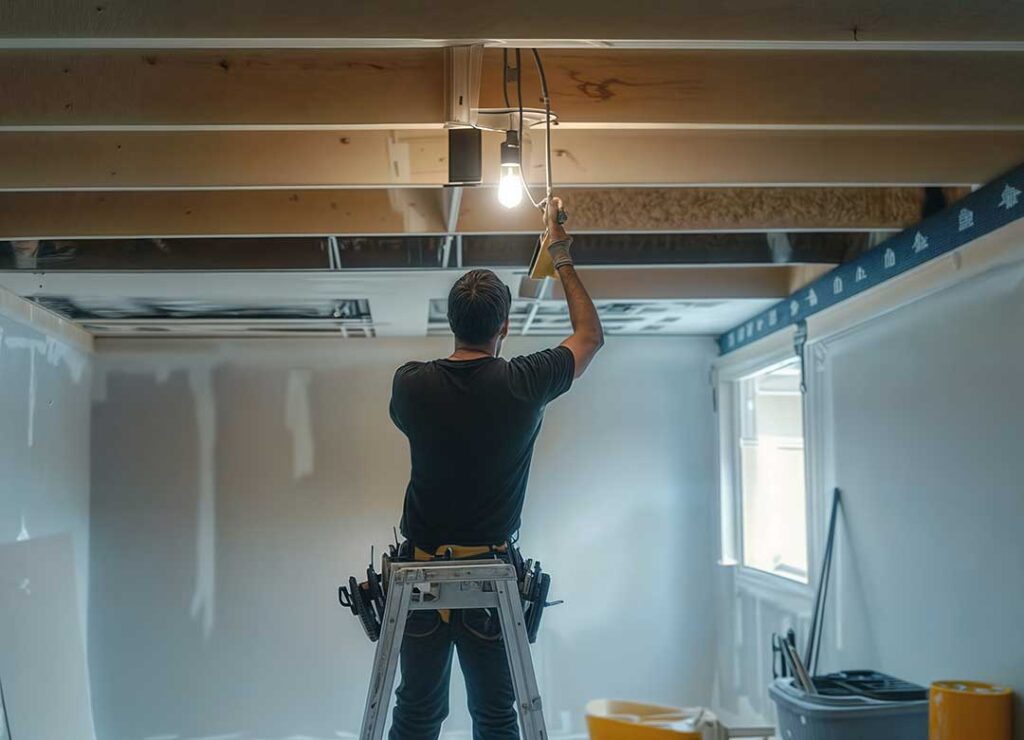
What Causes Homes in Clarksville, TN to Need Rewiring?
Many homes in Clarksville, TN, especially those built before the 1980s, may have electrical systems that are outdated or worn. Over decades, wiring can degrade due to heat, humidity, and everyday use. Changes in building codes and electrical demand from newer appliances can also make old wiring less safe or reliable.
Climate in this region can play a role as well. Tennessee’s warm, humid summers can contribute to wear on insulation around wires, especially in crawl spaces and attics where temperature swings are common.
What Are the Most Common Signs That Rewiring Is Needed?
The clearest predictors often show up during daily routines. If any of these signs appear, they indicate the wiring could be outdated, damaged, or insufficient for modern use:
- Frequent blown fuses or tripped breakers, especially when using normal household appliances or lighting
- Flickering, dimming, or buzzing lights, sometimes when turning on another device
- Discoloration, scorch marks, or warm spots on outlets, switches, or wall panels
- Outlets or switches that feel loose, spark, or produce a burning smell
- Unexplained electrical shocks—however mild—when plugging or unplugging devices
These issues aren’t always dramatic at first, so it’s easy to overlook them. If more than one of these issues is present, the need for closer inspection rises.
Are Older Homes in Clarksville More Likely to Need Rewiring?
Yes, especially those with original wiring. Homes built before the late 1970s were often wired with materials like aluminum, cloth-insulated wiring, or early forms of non-metallic sheathed cable. These systems don’t always meet today’s safety standards and may not safely handle the load of modern appliances like air conditioners, refrigerators, or entertainment systems commonly used in the area.
Some signs unique to older properties:
- Two-prong outlets throughout the house (no third prong/ground)
- Lack of Ground Fault Circuit Interrupters (GFCIs) in kitchens, bathrooms, or laundry areas
- Evidence of knob-and-tube wiring, which is now outdated and increases fire risk
What Problems Can Outdated Electrical Wiring Cause?
The biggest risk is electrical fire. Old or damaged wiring can overheat, especially if it’s undersized for today’s demands. Other issues include:
- Power outages in parts of the home during periods of high use
- Damage to sensitive electronics due to unstable voltage or improper grounding
- Increased risk of shocks or burned devices
Most insurance providers in this region may ask about wiring age or type during policy renewal for this reason.
Can You Check for Wiring Problems Yourself?

Some basic checks are possible, though always with power off and safety in mind. Visual inspections can reveal:
- Exposed wires in attics, basements, or panels
- Rodent damage to insulation, a common problem in homes near wooded areas or open fields
- Discolored, cracked, or brittle outlet/switch covers
However, internal wiring issues, overloaded circuits, or improper connections usually require specialized equipment to diagnose.
How Do Local Households Know If Their Home Was Built With Problematic Wiring?
Building records, property disclosures, or local permitting offices can reveal the date of last major electrical updates. For many Clarksville residents, it’s normal not to have detailed records, especially for homes passed down through generations.
If unsure, a thorough inspection from a qualified local professional is often advised for homes built before the 1980s or those with any upgrades or renovations that might not have included new wiring.
Are There Safety or Legal Requirements Specific to Homes in Clarksville?
All homes in the city must follow the National Electrical Code (NEC), which is updated every three years and adopted locally via permitting and inspection processes. Any additions or major renovations must meet these requirements before receiving final approval. This affects new wiring but does not automatically require older homes to be updated—unless there’s a safety threat or major change to the system.
Smoke detector placement and GFCI protection in wet areas are common points checked during sales or property transfers.
What Are Common Misconceptions About Rewiring?
Residents sometimes believe flickering lights or an occasional tripped breaker are normal quirks of an older home, but these issues may signal a deeper hazard. Another misconception is that "partial rewiring" of problem areas is always enough, when in some cases, the entire electrical system is near its limit or improperly grounded.
Others might assume frequent use of power strips solves capacity problems, but this can increase the load on under-sized circuits, creating more risk.
What Should You Do If You Suspect Your Home Needs Rewiring?
If multiple problems show up—such as frequent blown fuses, warm outlets, and visible signs of aging wires—minimizing use of affected circuits until a full assessment can be made is the safest choice. For householders with limited electrical knowledge, structural or concealed wiring faults should be handled carefully to avoid risk of shock or fire.
For any home where safety is an immediate concern—persistent burning smells, sparking outlets, or repeatedly tripping breakers—turn off the affected circuit and consult a local qualified expert to check for hazards.