

 See My Latest Article on HelloNation
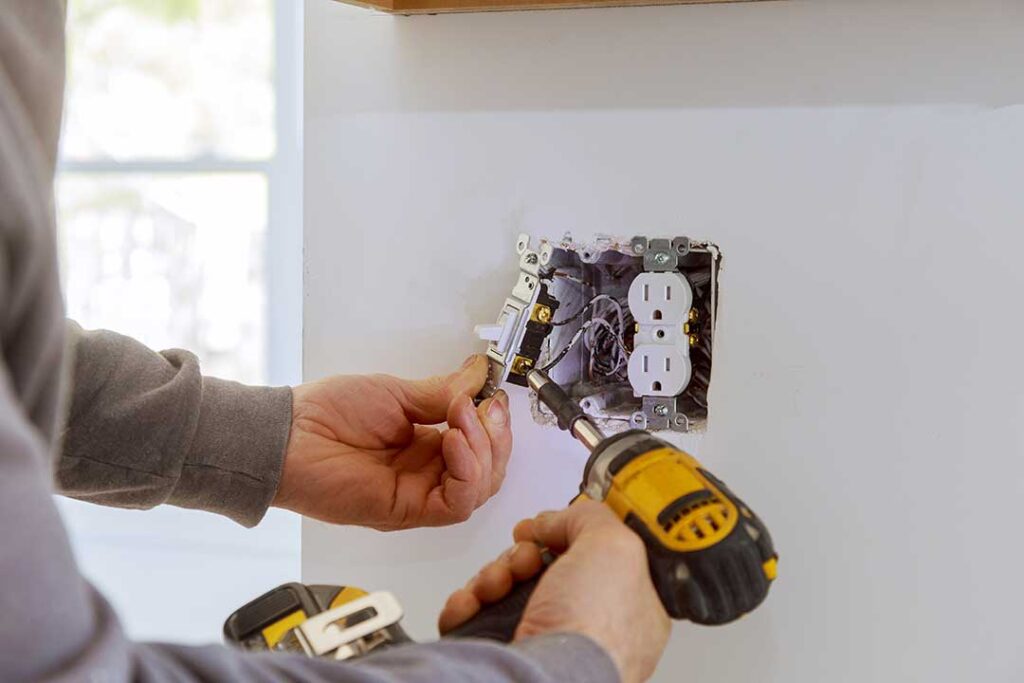
Storm-related power loss can create hazards beyond darkness and inconvenience. The safest response is to protect people first, avoid damaged electrical equipment, prevent carbon monoxide poisoning, and preserve food and medication until service returns.
What should you do first when the power goes out?
Start by checking whether the outage is limited to your home or affecting nearby households. Look outside only from a safe location, and listen for unusual sounds such as arcing, buzzing, or a burning odor.
Use flashlights or battery-powered lanterns instead of candles whenever possible. Candles can ignite curtains, furniture, paper products, or clothing, especially when people are moving around unfamiliar rooms.
If the outage occurs during active thunder or high winds:
- Stay indoors and away from windows.
- Avoid touching plumbing fixtures or using corded phones during nearby lightning.
- Keep children and pets away from electrical panels, outlets, and wet areas.
- Unplug sensitive electronics if it can be done safely and the equipment is dry.
- Leave one light switched on so the return of power is noticeable.
Do not reset breakers repeatedly if a breaker trips again. A repeated trip can indicate water intrusion, damaged wiring, an overloaded circuit, or another unsafe condition.
How can you tell whether the electrical system is damaged?
Storm damage may not be obvious from inside the home. Water can enter through the roof, walls, outdoor receptacles, service equipment, or damaged wiring. Electrical components may remain energized even when part of the house appears dark.
Watch for:
- A burning or melted-plastic smell
- Sparks, smoke, or sizzling sounds
- Warm, discolored, or cracked outlets and switches
- Water near outlets, appliances, the electrical panel, or wiring
- Flickering lights before or after the outage
- A damaged meter, service mast, or overhead connection
- Circuits that will not reset or immediately trip again
If water has reached electrical equipment, do not touch the equipment or stand in pooled water while attempting to shut off power. Keep away from the area and let emergency personnel or a qualified electrical professional determine whether it is safe to proceed.
Storms in Clarksville can combine heavy rain, straight-line winds, lightning, and fallen trees. A home may appear intact while its outdoor electrical equipment or service connection has been compromised.
What should you do about downed power lines?
Assume every fallen wire is energized, even if it is lying on the ground, submerged in water, or appears disconnected. Do not touch it, move it with a broom, or drive over it.
Stay well away from the wire and anything touching it, including fences, tree limbs, vehicles, puddles, and metal structures. Keep other people and animals away as well. If a vehicle is touching a power line, occupants should generally remain inside unless fire or another immediate danger requires evacuation. Anyone who must exit should avoid touching the vehicle and the ground at the same time.
Report downed lines or visible electrical hazards through the appropriate emergency or utility reporting channel. Do not assume someone else has already reported the condition.
Is it safe to use a portable generator?
A portable generator can provide temporary electricity, but improper use can cause electrocution, fire, or fatal carbon monoxide poisoning.
Operate a generator only outdoors, at least 20 feet from doors, windows, and vents. Position it where exhaust cannot drift toward the home, neighboring buildings, garages, crawl spaces, or screened porches. Never operate one inside a house, basement, garage, shed, carport, or other partially enclosed area, even with doors or windows open.
Additional precautions include:
- Keep the generator dry and protected from rain without enclosing it in a way that traps exhaust.
- Use heavy-duty, outdoor-rated extension cords in good condition.
- Plug appliances directly into the generator unless a properly installed transfer system is being used.
- Never connect a generator to a wall outlet or household wiring with a homemade cord.
- Turn the generator off and let it cool before refueling.
- Keep gasoline and other fuels outside living areas.
- Install and test battery-backed carbon monoxide alarms.

A transfer switch is needed when a generator is intended to supply selected household circuits. Connecting a generator directly to home wiring can send electricity back onto lines that workers may believe are de-energized.
How long will food remain safe?
Keep refrigerator and freezer doors closed as much as possible. An unopened refrigerator generally keeps food cold for about four hours. A full freezer can preserve food for roughly 48 hours, while a half-full freezer may hold safe temperatures for about 24 hours.
Discard refrigerated meat, poultry, seafood, eggs, dairy products, leftovers, and other perishables that have been above 40 degrees Fahrenheit for four hours or more. Do not taste food to decide whether it is safe. Odor and appearance are unreliable indicators.
Frozen food may be refrozen if it still contains ice crystals or is as cold as refrigerated food. When uncertain, discard it rather than risking foodborne illness.
Households with refrigerated medications, medical devices, oxygen equipment, or powered mobility equipment should follow the medication label or care provider’s emergency instructions. A longer outage may require moving to a location with dependable power.
How should you protect the home when power returns?
Power may return in stages, and voltage can fluctuate as damaged equipment is repaired. Leave major appliances unplugged until service appears stable. Then reconnect equipment gradually rather than switching everything on at once.
Check for unusual heat, smoke, buzzing, sparks, or repeated breaker trips. If lights are unusually bright or dim, or appliances behave strangely, turn off sensitive equipment and avoid using questionable circuits.
Surge-protective devices can reduce damage from some voltage spikes, but they cannot make damaged wiring safe. A surge protector should never be used as a substitute for inspection after water exposure, lightning damage, or a visible electrical fault.
What should renters and homeowners document?
Take photographs of storm damage only from safe locations. Record the approximate time the outage began, any breaker activity, visible damage, spoiled food, and affected electrical equipment. Do not handle damaged wiring or appliances just to document them.
For homes with solar panels, battery storage, automatic generators, or other alternative power systems, remember that equipment may remain energized even when the utility supply is off. Follow the system’s emergency shutdown instructions and avoid damaged components.
Preparing before the next storm can reduce confusion. Keep flashlights, spare batteries, phone power banks, bottled water, shelf-stable food, prescription information, and a paper list of emergency contacts in an accessible place. Test smoke and carbon monoxide alarms regularly, and know where the main electrical shutoff is located without entering a wet or damaged area.