

 See My Latest Article on HelloNation
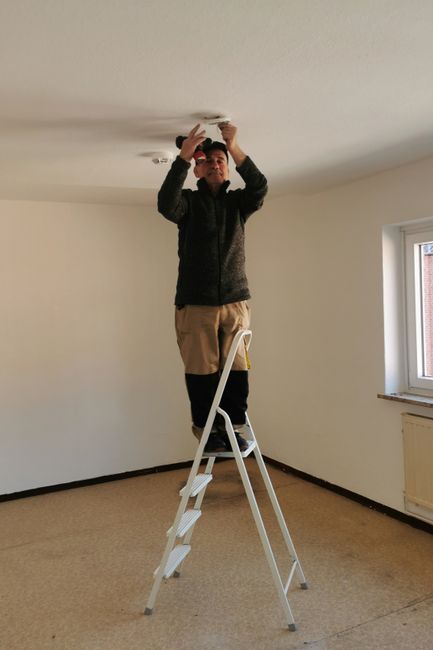
Smoke detectors are only useful if they can detect smoke, sound loudly, and alert everyone in the home. Testing them once a month takes only a few minutes, but the test should be done correctly so a weak battery, disconnected wiring, blocked sensor, or expired alarm does not go unnoticed.
How often should smoke detectors be tested?
Test every smoke detector at least once a month, including battery-powered, hardwired, interconnected, and combination smoke-and-carbon-monoxide alarms. A monthly test confirms that the alarm can produce its warning sound and that its power source is working.
Testing is especially worthwhile after:
- Returning from an extended trip
- Replacing a battery
- A power outage or electrical work
- Remodeling, painting, or heavy cleaning
- A storm that may have affected the home’s electrical system
- Moving into a new rental or recently purchased home
A detector that has not been tested for several months should be checked as soon as possible rather than waiting for the next monthly reminder.
What is the proper way to test a smoke detector?
The built-in test button is the safest and most appropriate method for routine testing. Do not use a lighter, candle, cigarette, or burning material to create smoke near the alarm. Open flames can cause a fire, and ordinary household smoke may contaminate the sensor.
Follow these steps:
1. Notify people in the home. Tell household members that the alarm will sound. This is particularly helpful for children, older adults, pets, and anyone sensitive to loud noises.
2. Stand beneath or near the alarm. Use a stable step stool if the test button cannot be reached safely. Never stand on furniture or stretch near a stairwell.
3. Press and hold the test button. Most alarms require the button to be held for several seconds. The unit should produce a loud, repeating alarm.
4. Listen for a strong, clear sound. A weak chirp, muffled tone, or brief click is not a successful test.
5. Check interconnected alarms. In a properly connected system, activating one alarm may cause the others to sound. Test each alarm separately if the manufacturer’s instructions recommend it.
6. Reset the alarm. Release the button and allow the unit to return to normal operation.
A test button checks the alarm’s horn, electronics, and power supply. It does not fully measure the detector’s sensitivity to smoke, so routine cleaning and timely replacement are also necessary.
What should happen when a hardwired detector is tested?
A hardwired smoke detector should sound when its test button is pressed, even if the home’s electrical power is interrupted. These alarms normally have a backup battery, which allows them to operate during outages.
If one hardwired alarm sounds but other interconnected alarms do not, the system may have a wiring, connection, compatibility, or power problem. Avoid disconnecting the unit or removing it from the ceiling as a permanent solution. A hardwired alarm that repeatedly fails, chirps, or causes unexplained alarms may require evaluation by a qualified electrician, particularly if the problem involves exposed wiring, a junction box, or an electrical circuit.
For area households affected by thunderstorms, outages, or voltage fluctuations, testing alarms after power has been restored is a sensible safety habit.
What if the smoke detector does not sound?
Treat a failed test as a safety problem, not a minor inconvenience. First, check whether the alarm has a removable battery and install the correct replacement listed in the manufacturer’s instructions. Make sure the battery is facing the proper direction and that the compartment closes completely.
For a hardwired alarm, confirm that the backup battery is installed correctly. Do not remove the battery and leave the alarm without backup power.
If the detector still does not sound:
- Press and hold the test button again for several seconds.
- Check for a power indicator or warning light.
- Inspect the alarm for dust, paint, corrosion, cracks, or physical damage.
- Confirm that the alarm has not reached its replacement date.
- Replace the entire unit if it remains unresponsive.
Never assume that a green or steady indicator light proves the alarm will sound. The audible test is the essential check.
How should smoke detectors be cleaned?
Dust and small insects can interfere with a smoke detector’s sensing chamber. Gently vacuum around the outside openings using a soft brush attachment. Compressed air may be used only if the manufacturer permits it.
Do not spray cleaners, paint, insecticide, or water onto the alarm. Do not cover the detector during painting or remodeling and forget to uncover it afterward. If construction dust has entered the unit, replacement may be safer than trying to clean the interior.
Homes in Clarksville, TN may experience seasonal humidity, pollen, storms, and temperature changes that contribute to dust buildup or nuisance alarms. Cleaning the outside of each alarm during routine household maintenance can help, but cleaning does not extend the alarm’s service life.
When should a smoke detector be replaced?
Replace the entire smoke alarm when it is 10 years old, unless the manufacturer gives a different replacement period. The date may be printed on the back or side of the unit. If no date is visible and the alarm’s age is unknown, replacement is the safer choice.
Replace an alarm sooner if it:
- Fails the test button check
- Produces repeated low-battery chirps after a fresh battery is installed
- Has visible damage, corrosion, or loose parts
- Gives frequent nuisance alarms without an identifiable cause
- Has been exposed to paint, heavy dust, water, or smoke
- Displays an end-of-life warning
A sealed 10-year battery does not mean the entire alarm lasts indefinitely. The alarm itself still needs replacement when its service life ends. Do not open or recharge a sealed battery unit.
Where should residents check for overlooked alarms?
Walk through every level of the home, including the basement, finished attic, and attached garage entry area. Smoke alarms should generally be located inside sleeping rooms, outside sleeping areas, and on each level of the home. Household members should be able to hear them from bedrooms with doors closed.
Do not place a standard smoke alarm directly beside a cooking appliance, in a bathroom, or in an area where steam, exhaust, or routine dust regularly causes false alarms. Follow the installation spacing and placement instructions supplied with the alarm.
A carbon monoxide alarm is not a substitute for a smoke alarm. Combination units can provide both functions, but each warning feature must be tested according to the manufacturer’s instructions.
What should happen after a successful test?
Record the test date on a household calendar, phone reminder, or maintenance checklist. Replace ordinary replaceable batteries according to the manufacturer’s instructions, commonly at least once a year, and replace them sooner if the alarm chirps.
Every month, check each unit rather than testing only the alarm nearest the kitchen or hallway. A detector that sounds during a test is not necessarily positioned correctly, clean, or within its service life. Monthly testing works best when combined with battery maintenance, exterior cleaning, and replacement of aging equipment.
If an alarm will not sound, remains unreliable, or is part of a hardwired system with wiring concerns, keep the home protected with working alarms in other locations while the failed unit or system is safely addressed.