

 See My Latest Article on HelloNation
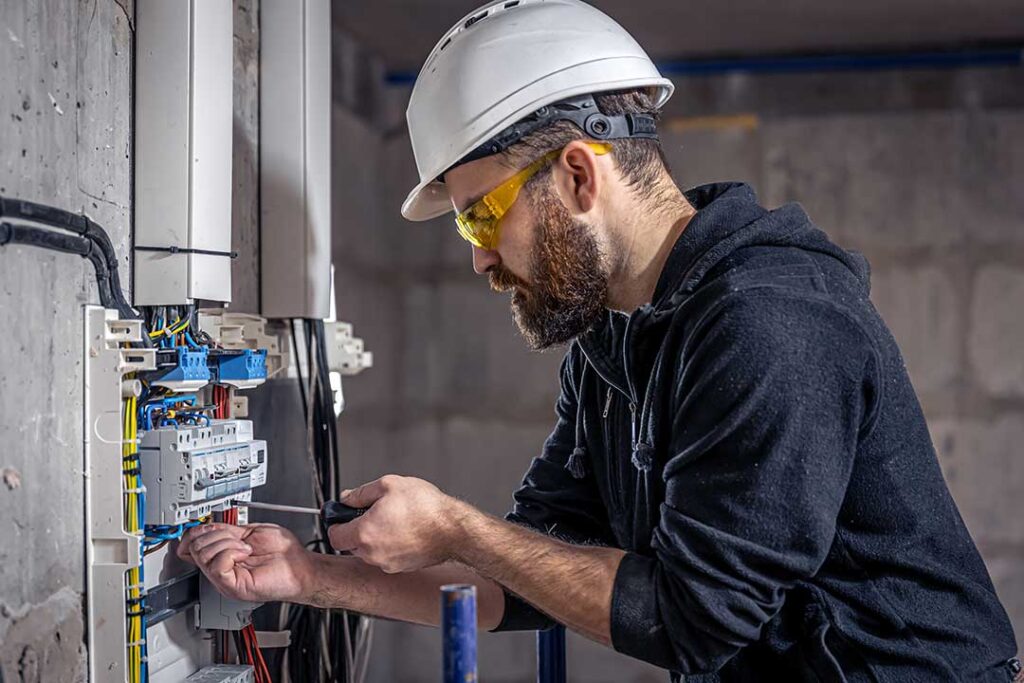
What does an electrical panel do?
An electrical panel is the control center for a home’s electrical system. Electricity enters the panel from the utility meter, and the panel distributes power through individual circuits to lights, receptacles, appliances, heating and cooling equipment, and other electrical loads.
The panel also provides protection. Circuit breakers are designed to interrupt power when a circuit draws more current than the wiring can safely carry or when certain electrical faults occur. This helps reduce the risk of overheated wiring, equipment damage, and electrical fires.
A panel is not the same as the electric meter. The meter measures electricity use, while the panel controls how electricity moves through the home.
What are the main parts of a panel?
Most residential panels contain several recognizable components:
- Main breaker: This is usually the largest breaker and can shut off power to most or all circuits in the home. Turning it off does not necessarily remove power from every part of the panel; the service wires entering the panel may remain energized.
- Branch circuit breakers: These smaller breakers supply individual areas or equipment, such as bedrooms, kitchen receptacles, lighting, a water heater, or an air-conditioning system.
- Bus bars: These metal components distribute electrical power to the breakers.
- Neutral and grounding bars: These connect neutral and grounding conductors in the appropriate locations. Their arrangement depends on whether the panel is the main service panel or a downstream subpanel.
- Panel directory: This list identifies which breaker controls each circuit. Labels are useful only when they are accurate.
- Dead-front cover: This protective cover keeps people from accidentally touching energized components. It should remain securely installed.
Some older homes may have fuse panels instead of breakers. Fuses perform a similar protective function but must be replaced after operating. A fuse should never be replaced with one that has a higher rating.
What do the numbers on circuit breakers mean?
The number on a breaker indicates its ampere rating, commonly written as amps. A 15-amp breaker and a 20-amp breaker are designed for different circuit capacities.
The breaker rating must match the circuit wiring and equipment requirements. Installing a larger breaker to stop repeated tripping can allow wiring to overheat before the breaker disconnects power. That is a dangerous workaround, not a repair.
A double-pole breaker generally supplies a 240-volt circuit used by larger equipment, such as electric ranges, heat pumps, clothes dryers, or water heaters. The equipment and wiring determine the required breaker size; the physical appearance of the breaker alone does not.
Why does a circuit breaker trip?
A breaker trips when it detects an electrical condition outside its safe operating range. Common causes include:
- Too many high-wattage appliances operating on the same circuit
- A short circuit caused by damaged wiring or equipment
- A ground fault involving electricity taking an unintended path
- A failing appliance, receptacle, switch, or connection
- Moisture intrusion or damage from remodeling, pests, or aging materials
A single trip may result from temporary overload. For example, a portable heater, vacuum, and hair dryer may draw more power than one general-purpose circuit can supply.
To reset a tripped breaker, move it firmly to the full “off” position and then back to “on.” If it trips again immediately, or trips repeatedly, leave it off until the cause is identified. Repeated resetting can hide a developing fault and may increase heat or damage at the problem point.
What are AFCI and GFCI breakers?
AFCI and GFCI protection address different hazards.
AFCI protection helps detect unintended electrical arcing. Arcing can occur when wiring insulation is damaged, connections loosen, or cords and devices become worn. AFCI breakers are common in newer residential construction and may also be added during upgrades when required by the applicable code.
GFCI protection helps protect people from electric shock when current flows along an unintended path, such as through a person contacting grounded surfaces. GFCI protection is commonly associated with locations where electricity and water may be present, including kitchens, bathrooms, garages, unfinished areas, and exterior receptacles.
Some breakers include test buttons. Testing should follow the instructions printed on the device. A breaker or receptacle that will not reset, will not test, or trips without an apparent cause needs further evaluation.
How can a homeowner safely inspect a panel?
A basic visual inspection can identify warning signs without removing the panel cover. Look for:
- A burning, hot-insulation, or melted-plastic odor
- Crackling, buzzing, sizzling, or popping sounds
- Discoloration, scorching, rust, or water marks
- Breakers that feel unusually warm
- Missing breaker labels or labels that do not match the circuits
- Breakers that trip frequently
- Open spaces or damaged covers
- Signs that the panel has been exposed to moisture
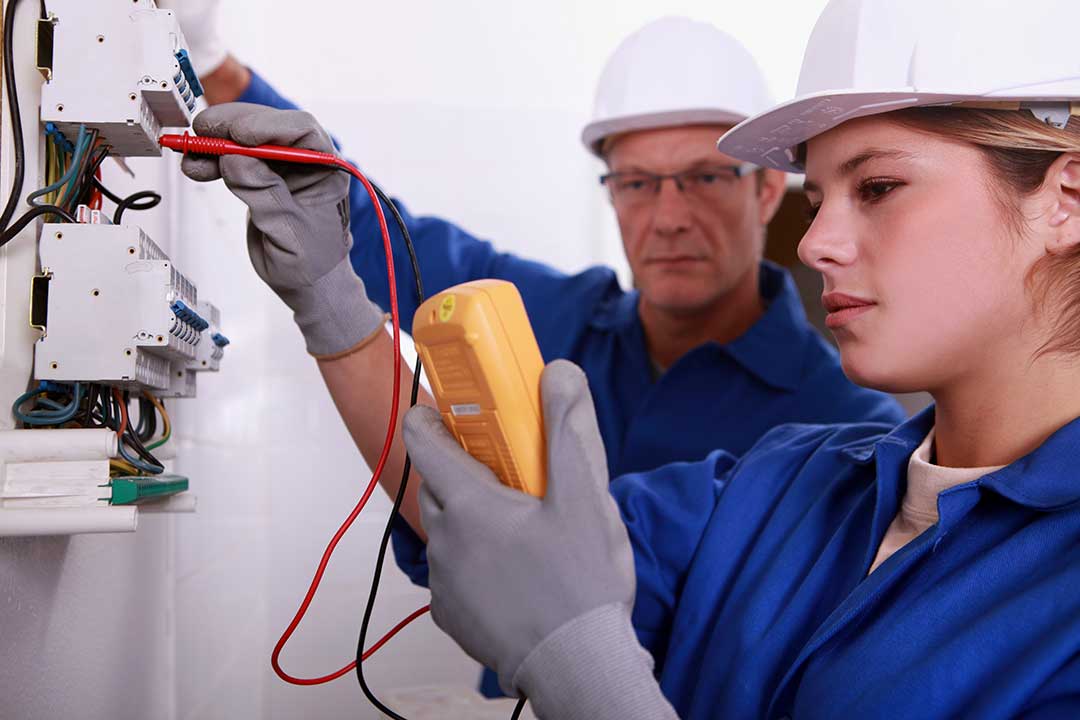
Do not remove the dead-front cover. The area behind it may contain energized parts even when the main breaker is off. Do not touch loose wires, tighten internal connections, or replace breakers based only on appearance.
In homes with basements, crawl spaces, garages, or outdoor equipment, seasonal moisture and temperature changes can affect electrical components. Heavy storms can also reveal problems involving water entry, damaged outdoor wiring, or equipment connected to exterior circuits.
How should the circuits be labeled?
A good panel directory identifies the actual rooms, outlets, and equipment controlled by each breaker. Labels such as “upstairs” or “miscellaneous” are often too vague to be useful during an emergency.
A practical method is to turn off one breaker at a time and check which lights and receptacles lose power. Use a lamp or plug-in tester, and avoid opening receptacles or switch boxes. Large equipment may not be obvious if it is not running during the test.
The final directory should identify dedicated circuits clearly, such as:
- Kitchen counter receptacles
- Refrigerator
- Dishwasher
- Laundry equipment
- Heating or cooling equipment
- Water heater
- Garage receptacles
- Exterior receptacles
- Smoke alarms
An accurate label can save time when power must be disconnected quickly.
When might a panel need an upgrade?
A panel may need evaluation when a home has frequent breaker trips, insufficient circuits for modern equipment, visible damage, obsolete protective devices, or signs of overheating. An upgrade may also be considered during a major renovation, addition, electrical heating change, or installation of equipment such as an electric vehicle charger.
A larger panel is not automatically a safer panel. The service size, meter equipment, grounding and bonding, wiring condition, available utility capacity, and actual household demand all need to be considered together.
Older homes in the community may have been modified over several decades. Additions, enclosed porches, finished spaces, workshops, and new appliances can leave the panel directory inaccurate or create circuits that no longer reflect the original design.
What electrical work may require a permit in Clarksville, TN?
Electrical alterations, new wiring, equipment installations, and panel work may require permits and inspections under local rules. Requirements can depend on the scope of work, the property, who performs it, and the currently adopted codes.
In Clarksville, homeowners performing work on an eligible primary single-family residence may have specific permit responsibilities, documentation requirements, and inspection obligations. A permit does not make unsafe work acceptable; it is part of a broader process intended to verify compliance.
Because local requirements and adopted codes can change, the applicable permitting office and current code information should be checked before beginning panel alterations.
Which panel problems require immediate attention?
Stop using the affected circuit and seek qualified electrical evaluation when there is smoke, visible arcing, a burning odor, melted insulation, water inside the panel, repeated breaker tripping, or a shock or tingling sensation from electrical equipment.
If there is an active electrical fire, do not use water. Leave the area and call emergency services. For other conditions, the safest response is to avoid the panel interior and preserve the situation for proper diagnosis rather than repeatedly resetting breakers or installing replacement parts without confirming their rating and compatibility.